The hardest part of Phuket island hopping is often deciding what not to fit into one day. A map makes separate islands look like a collection to complete, while photographs make every stop seem essential. On the water, each destination also means travel, arrival arrangements, and time needed to settle in before moving again.
A good route gives you enough of the things you came for without making the day feel continually interrupted. Start with the experience you want, then choose a manageable sequence of places. This guide shows you how to turn a long wish list into an island day you can actually enjoy.
Pick one main reason to go offshore
Begin with a sentence: “The thing I most want from this day is…” You might finish it with swimming, seeing a particular landscape, spending time with friends, or being on a boat until sunset. That answer becomes your filter for every itinerary you compare.
There can be secondary wishes, but avoid making all of them equally essential. A route designed around distant scenery may not leave the kind of unstructured beach time you want. A social yacht day may not focus on a specific landmark you have been hoping to visit. The best fit comes from recognising the main purpose early.
For groups, ask each person privately before choosing. It is easier to find a shared plan when you know that one friend cares about snorkeling and another mainly wants comfortable time together. Silence during planning is not necessarily agreement about the kind of day being booked.
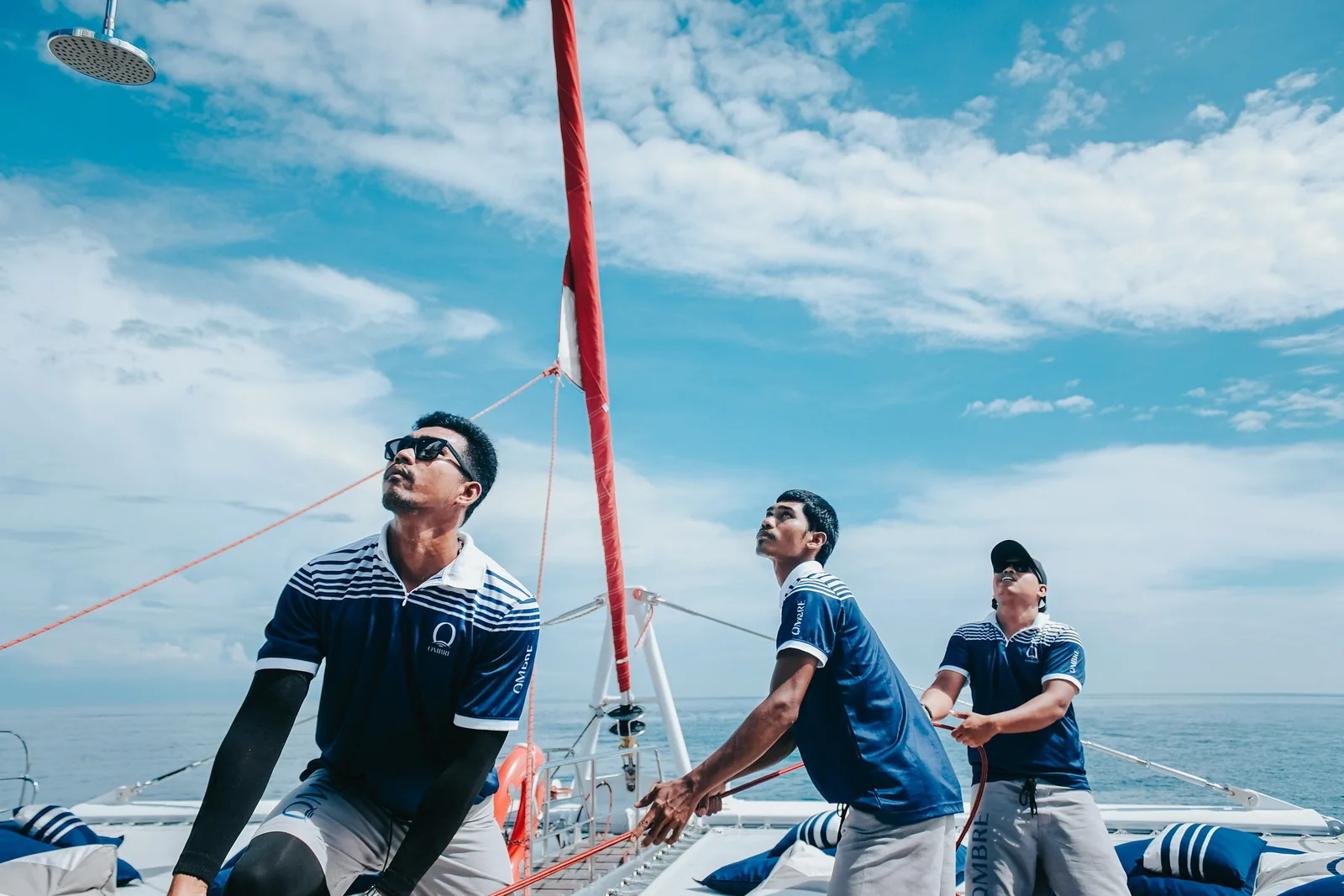
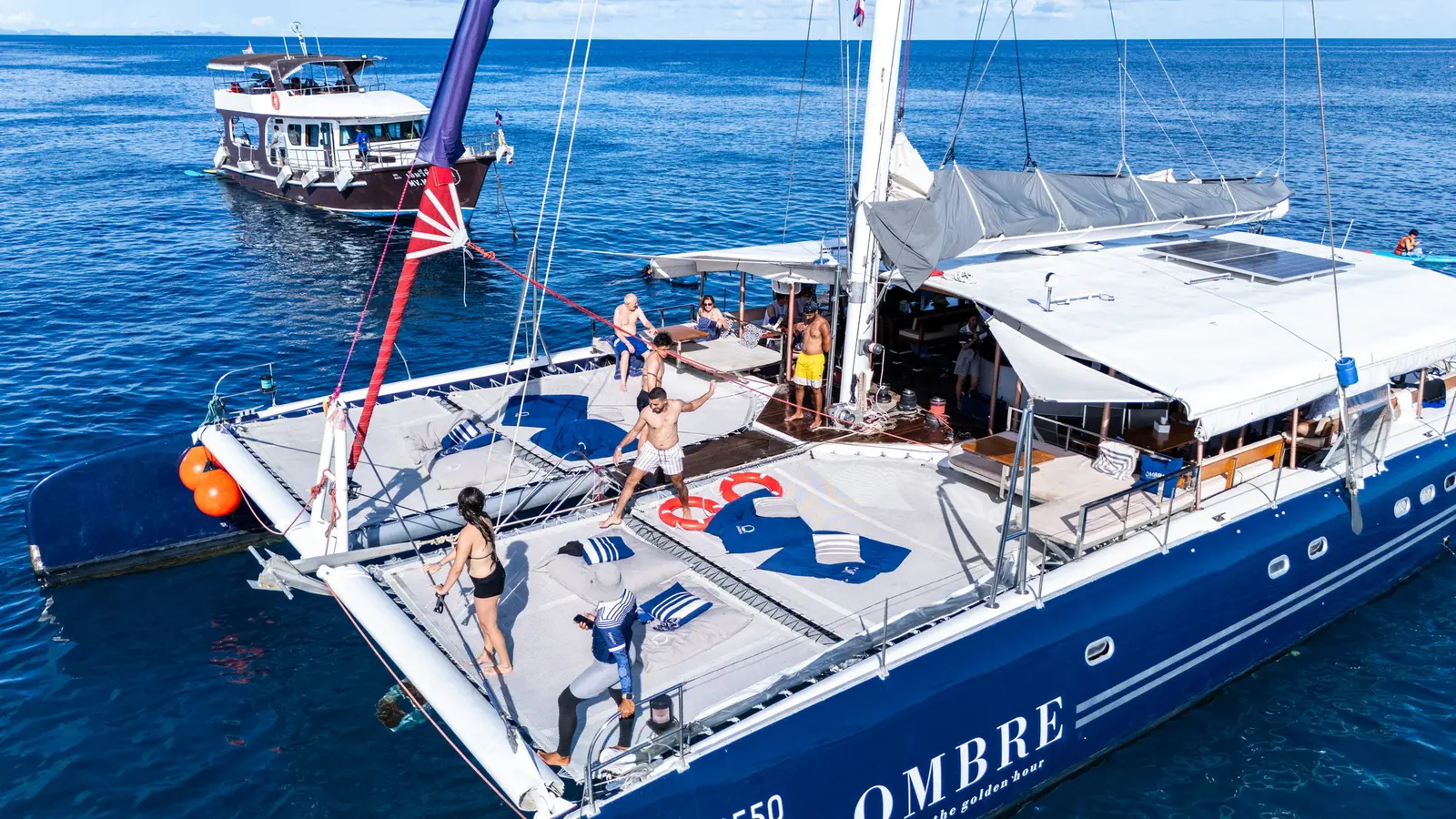
Crew preparation supports a smooth day on the water.
Read destination names as geography
Some itineraries sound extensive because they use an island name, a beach name, and an alternative spelling as if they were separate destinations. Coral Island and Koh Hey refer to the same island; Banana Beach is a beach on it. Recognising that helps you compare programmes fairly.
Other names describe groups. Racha can refer broadly to islands that include Racha Yai and Racha Noi. Phi Phi also covers multiple islands and locations. If a particular beach or bay matters to you, a group name is not precise enough to establish that you will visit it.
Look for a clear sequence of intended stops and identify what happens at each. “See,” “cruise past,” “swim near,” and “go ashore” describe different experiences. None is inherently inferior, but they should match the experience in your head. Our Banana Beach guide clears up one especially common naming confusion.
Count transitions as well as stops
Every stop has a practical cost in time and attention. You need to hear instructions, gather belongings, possibly move between boat and shore, and meet again before departure. A short stop can feel even shorter when you expect to complete several activities within it.
Instead of asking which itinerary has the most places, ask where you will have enough time to do your main activity. If you care about swimming, look for a programme that gives water time real importance. If you want the journey, check whether the onboard environment supports that rather than treating all travel as a gap between attractions.
Be cautious about comparing exact transfer times taken from different boats or departure points. A fast transfer and a leisurely cruise serve different purposes. The complete door-to-door day, including your journey from the hotel, is the time commitment that affects the rest of your holiday.
Match the boat to the route
Vessel choice changes how you experience the hours between places. A fast itinerary can be useful when reaching a specific destination is the central goal. A yacht day can be appealing when shared space, meals, music, and time watching the sea are part of what you want.
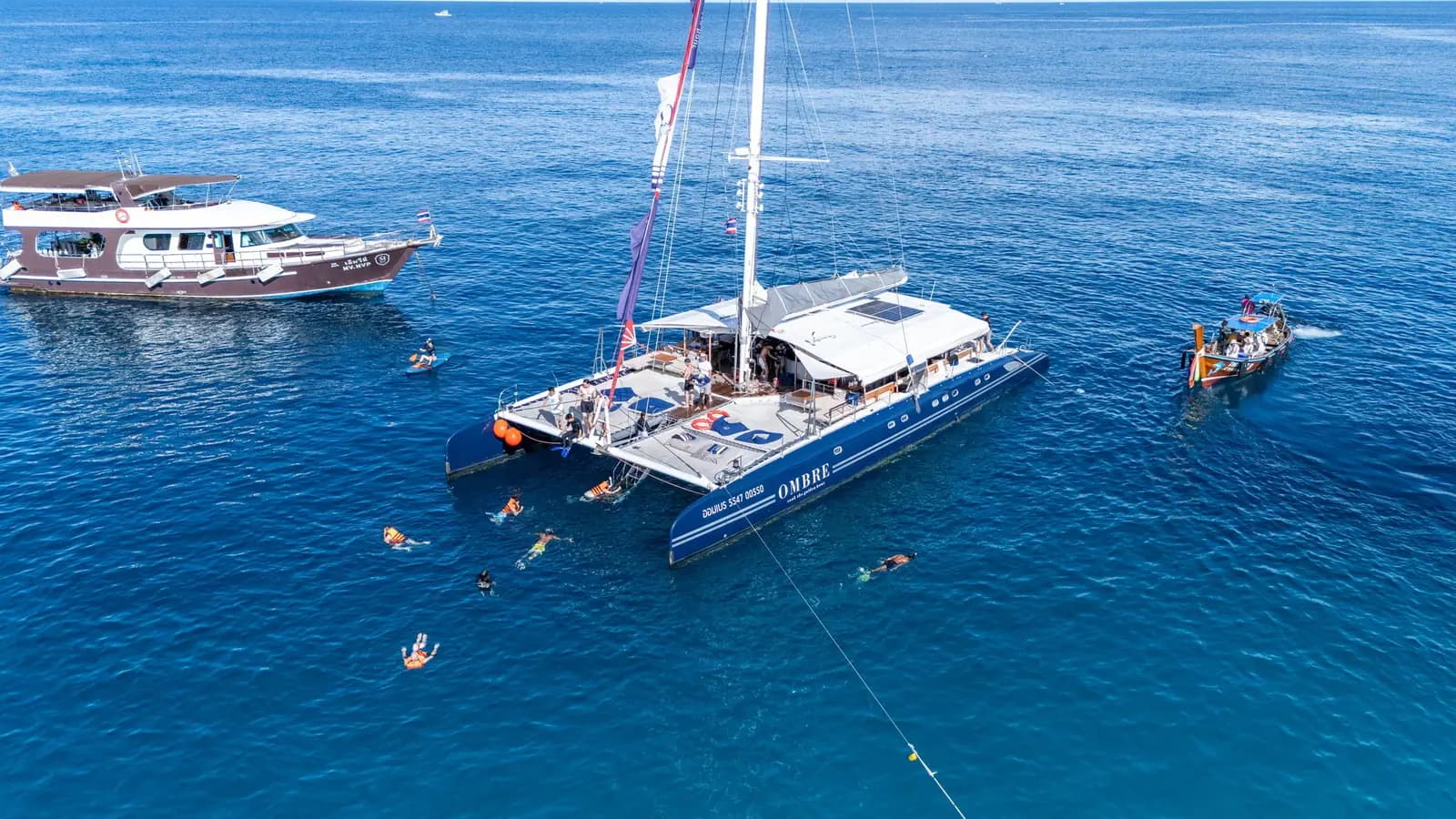
The labels alone are not enough. Ask about the actual boat, seating, shade, boarding, and the arrangements during water stops. A catamaran is a two-hulled vessel, not a universal promise of a slow pace or a particular level of comfort.
Our catamaran versus speedboat guide explores that comparison. Use it after you have identified your priority, so the vessel supports your chosen day rather than becoming a separate decision based only on appearance.
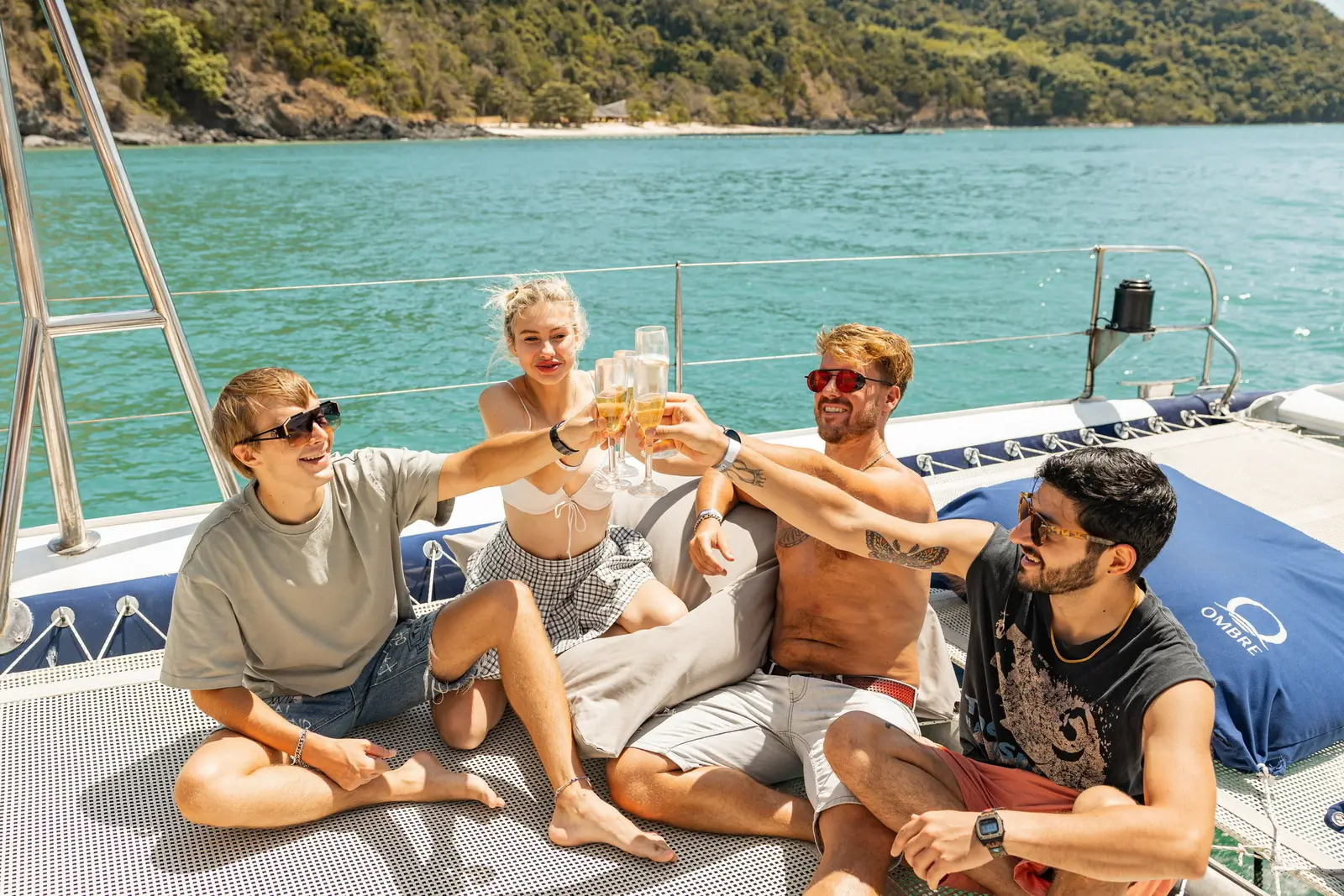
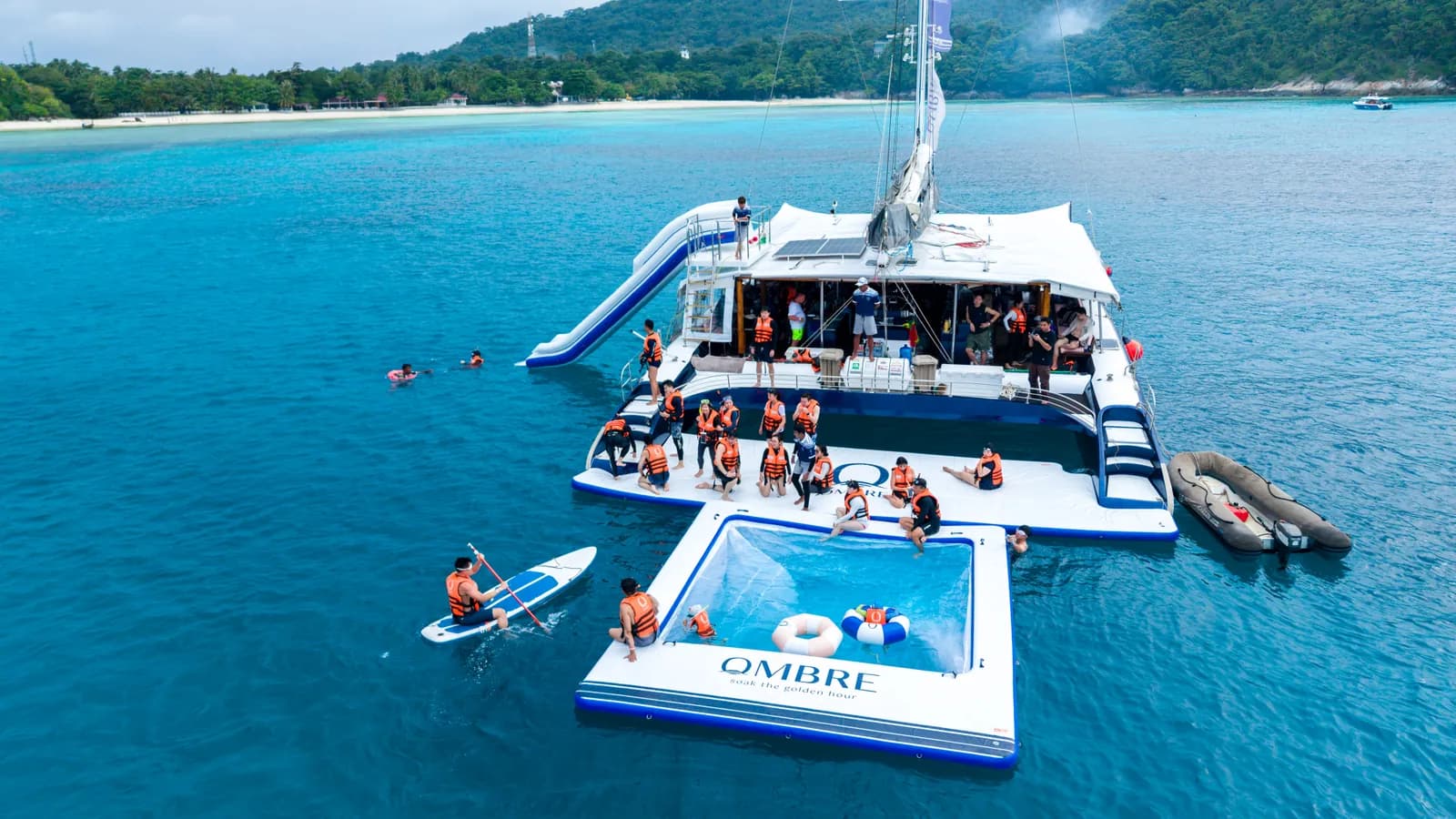
Leave time between activities to enjoy being aboard.
Build a route around compatible experiences
Think of a route as a sequence with a beginning, middle, and end. You might want an active water stop followed by lunch and quieter time aboard. Or you might want sightseeing throughout and a return that leaves the evening free. A satisfying sequence respects your energy as well as the map.
OMBRE’s published destinations bring Coral Island, Racha Island, and the intended Promthep Cape sunset perspective into one full-day experience. That is useful for someone who wants islands and time on the yacht to share the day. It is not a route to Phi Phi, and the sunset perspective should not be counted as another beach landing.
If Phi Phi is your essential destination, compare its actual itineraries on their own terms. Our Racha versus Phi Phi article helps you decide which landscape and day structure matter more to you. Trying to squeeze both wishes into an unsuitable programme can dilute the reason you wanted either one.
Leave enough flexibility to enjoy the route
Conditions can alter the practical itinerary. Water visibility, wind, swell, and access arrangements affect what is suitable on the day. Choose a programme whose overall character you like, so one adjusted stop does not erase every reason you booked.
Plan the edges of the day with the same care. Get the meeting point from your confirmation, allow time for the journey there, and keep the return evening reasonably flexible. If you have a hard deadline, explain it before reserving rather than assuming the schedule has no margin for change.
Prepare for your own needs too. Tell the team about mobility concerns, swimming confidence, or dietary requirements that could affect participation. Specific questions produce better answers than simply asking whether a tour is suitable for everyone.
Use a short final booking check
Before paying, make sure your group can answer five questions: where are we boarding, which stops are intended, how much of the day are we committing, what is included, and where will we sit? Read the change and cancellation terms attached to the booking as well.
For OMBRE, the package page distinguishes individual seats from group Sun Lounges. The lounges are private areas within a shared sailing, not exclusive charters with custom routes. Once those details fit, choose your date and seating or contact the team about anything unresolved.
Frequently asked questions
How many islands should I fit into one day?
There is no ideal number for everyone. Prioritise meaningful time at the stops that serve your main interest, and count travel and arrival arrangements as part of the day.
Does island hopping mean going ashore everywhere?
No. A route can combine beach visits, water activities, and views from the boat. Check what each listed stop actually involves.
Can a private lounge change OMBRE’s route for my group?
No. A Sun Lounge reserves onboard space during the shared sailing. Choose the published route because it fits your group’s plans, and discuss any separate request directly before making assumptions.